Calisthenics for beginners: a 4-week plan, no gym needed
Updated: 2026-09-22
Calisthenics means training with your own body weight instead of a barbell or machines: push-ups, pull-ups, squats, planks. The most common beginner mistake is jumping straight to pull-ups or bar dips without building a base first, then quitting after two weeks of zero progress or a strain. The plan below is 4 weeks, 3 sessions a week, 6 exercises, with a clear rule for when to move to the next level.
The plan
| Exercise | Sets | Rest after |
|---|---|---|
| Incline Push-Up | 3 × 10 reps | 60 sec |
| Inverted Row | 3 × 8 reps | 60 sec |
| Bodyweight Squat | 3 × 15 reps | 60 sec |
| Bench Dips | 3 × 8 reps | 60 sec |
| Plank | 3 × 30 sec | 45 sec |
| Superman | 3 × 30 sec | 45 sec |
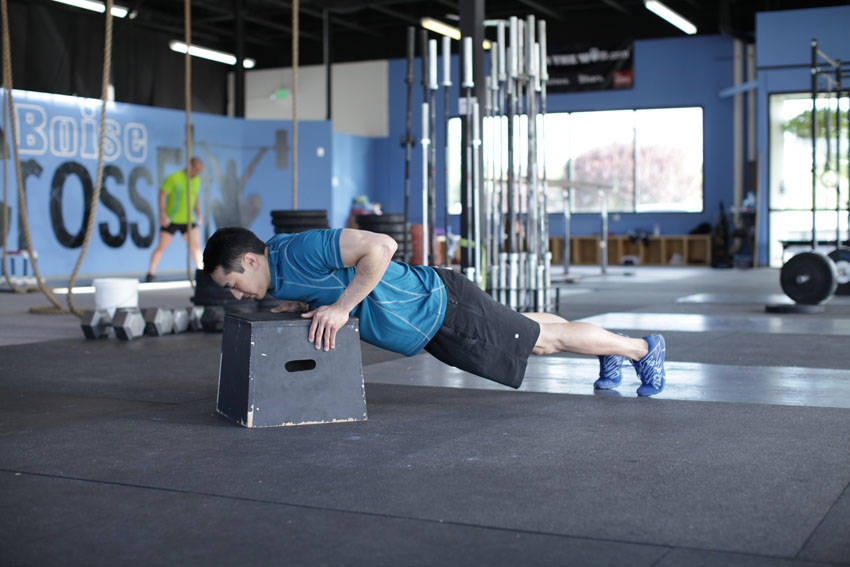
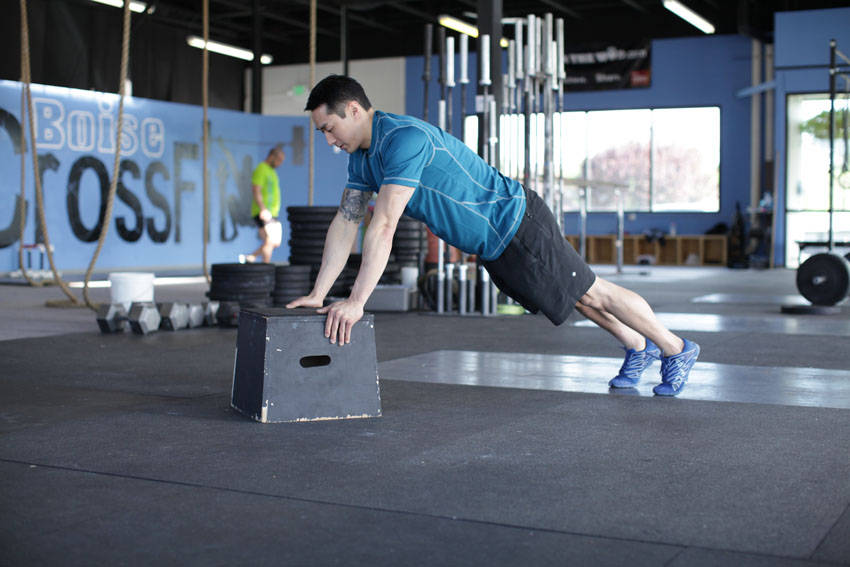
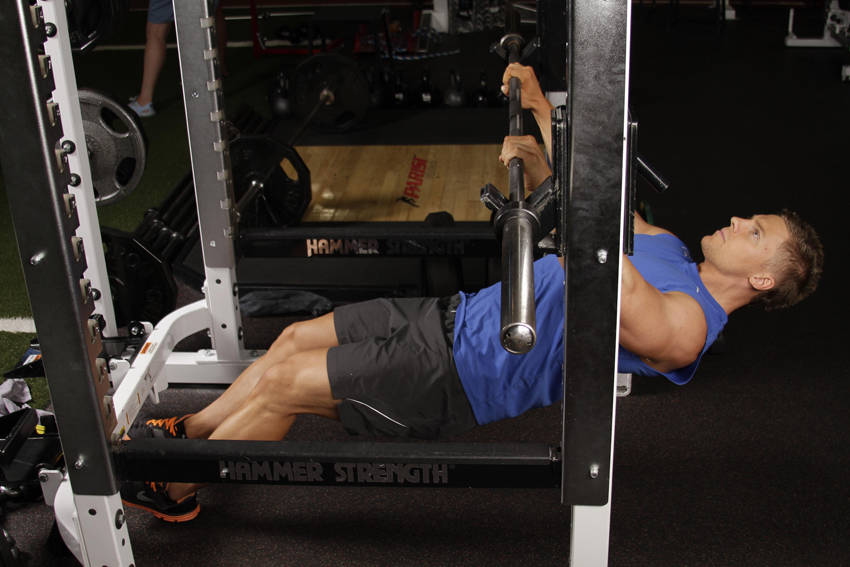
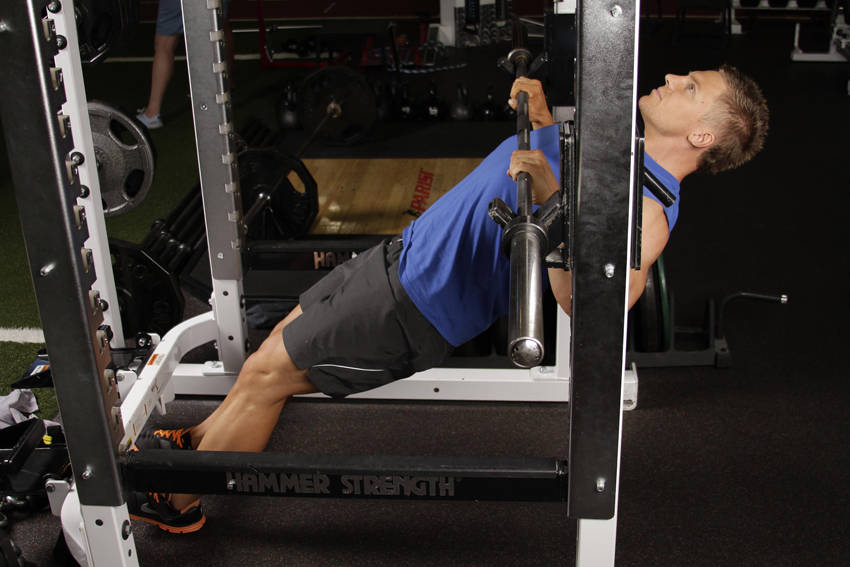

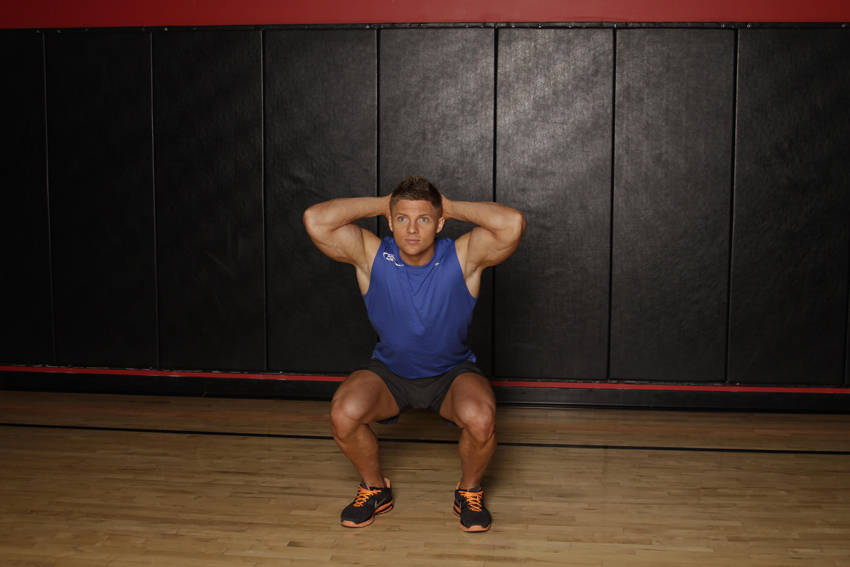
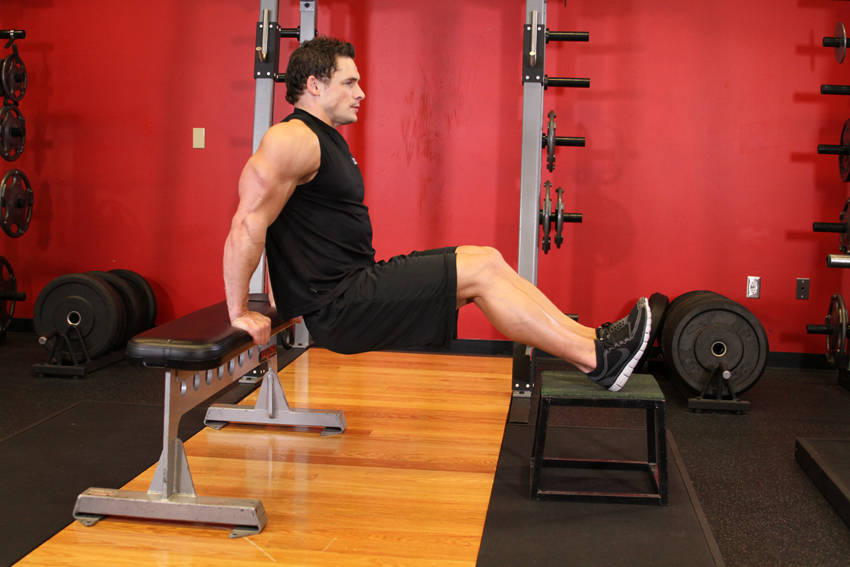
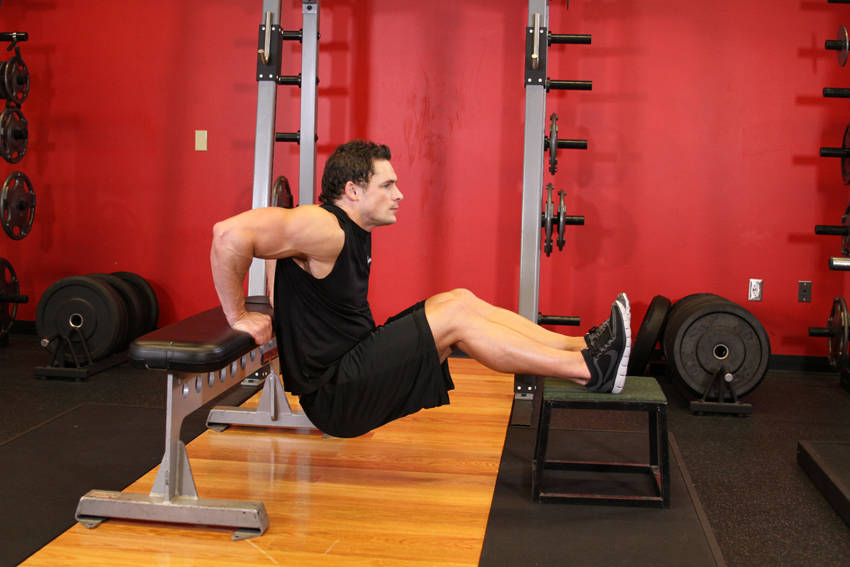
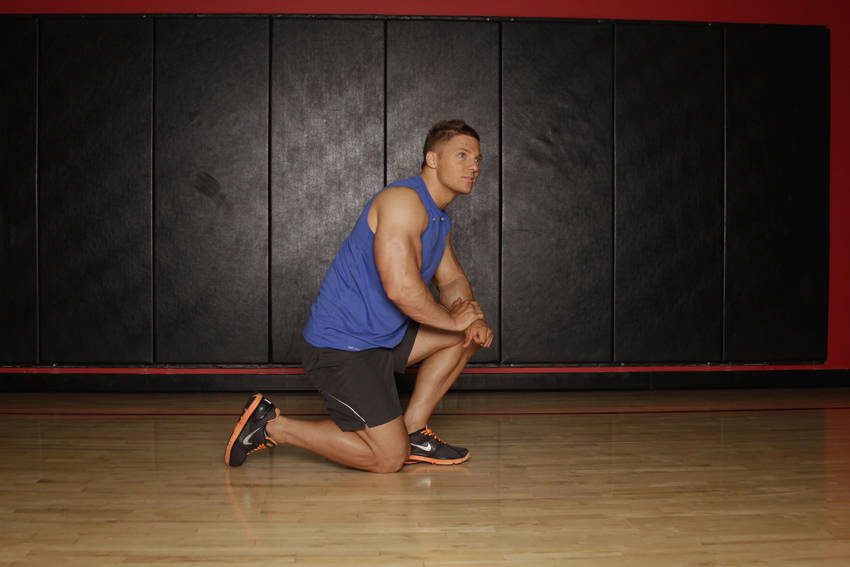
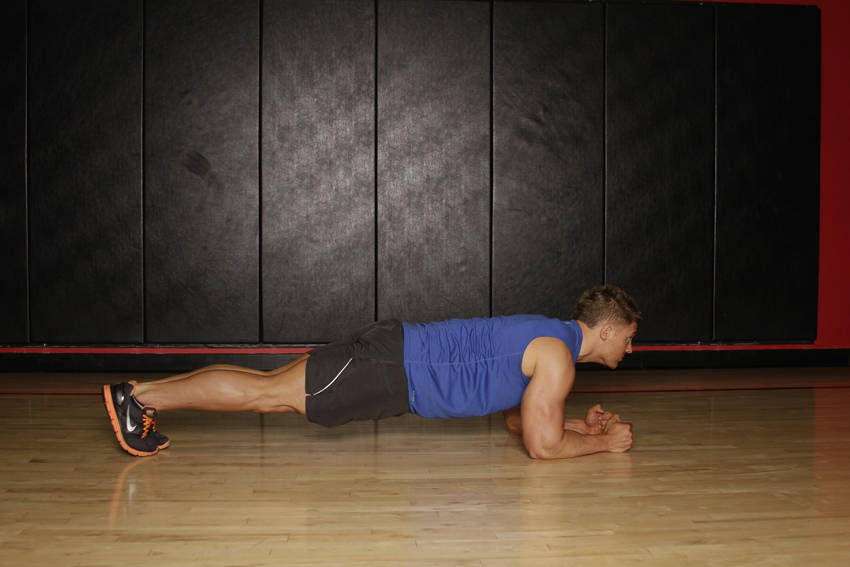
Plank
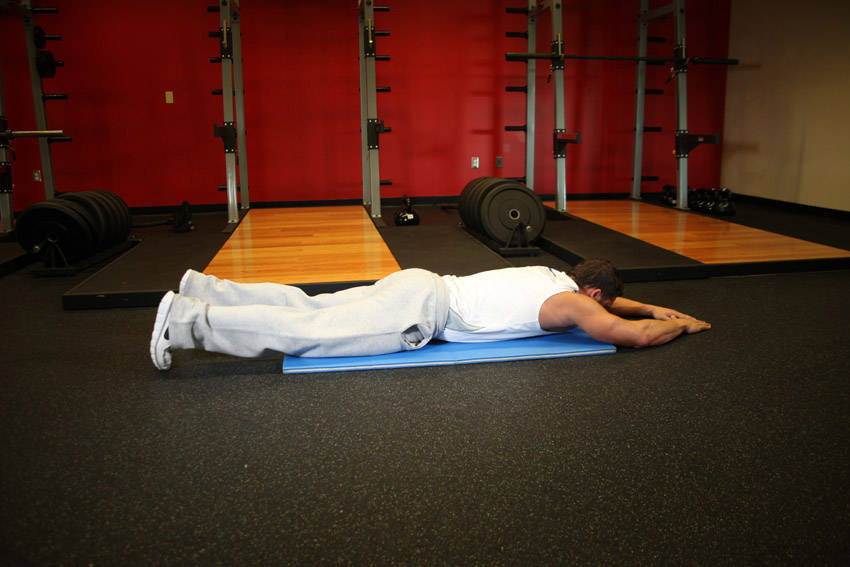
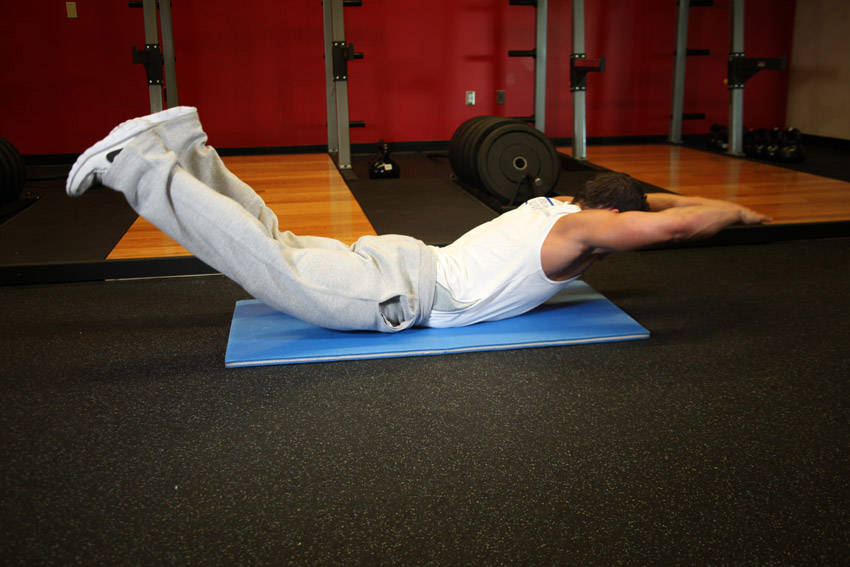
Superman
Why beginners quit calisthenics
The typical story: someone reads about calisthenics, tries pull-ups and bar dips on day one, can't do a single rep, and either strains a shoulder forcing it or quits within a week. A pull-up is an advanced-level exercise — it needs grip, lat, and core strength an untrained body simply doesn't have yet. The fix is regressions: easier variants of the same movement that build strength in the same plane before you move to the full version.
The 4-week plan
3 sessions a week (e.g. Mon/Wed/Fri), 3 rounds each, rest between exercises and between rounds as set in the app widget. One session is all 6 exercises in order, then the round repeats twice more. Load increases not by adding days but by stepping up an exercise to its next level — one movement at a time, the plan doesn't require progressing everything at once.
The progression rule
The moment you hit the top of the rep range (or hold time, for plank/superman) in both of your last two sets in a row, switch to the harder variant of that exercise at your next session. Incline push-up → push-up. Inverted row → pull-up. Squat → walking lunge. Bench dip → dip (triceps version). Plank and superman progress by holding longer, not by swapping to a different move — the plan has no harder variant for those two.
If you didn't hit the top of the range, just repeat the same level next time. That isn't a setback, it's the right pace for that week.
Rest and RPE
Aim for RPE 7–8 out of 10 — meaning your last rep of a set still had 2–3 reps left in the tank, not failure. If your first set after warm-up already feels like a 9–10, drop to the easier variant of that exercise for the session instead of forcing the progression.
How to log it
Every exercise page has a set timer that saves the result (reps or time) into Health OS, which is also how you can tell whether you hit the top of the range. The "Start in app" button creates the whole routine as a widget with rest timers built in between exercises and rounds, so you don't need to pick up your phone and time the breaks by hand.
When to stop
A burn in the muscle by the end of a set is normal — that's the load working. A sharp, stabbing pain in a joint (shoulder, wrist, lower back) is the signal to stop the set and that exercise for the day, not to push through to the end of the round. This is a general rule, not a diagnosis: if the pain repeats at your next session, see a doctor or physiotherapist before continuing this plan.
FAQ
No pull-up bar — what do I do about pull-ups?
The plan starts with inverted rows, not pull-ups — you can do those under a sturdy table or in a doorway (a doorway pull-up bar, the edge of a stable table, a low rail), gripping with your hands and pulling your body up while it stays roughly parallel to the floor. You only need a bar once you've hit the top of the inverted row range and step up to the next level.
How long until my first pull-up?
It depends on your starting grip and back strength — for some people it's 4 weeks, for others several months, there's no honest one-size number. The plan gives you a progression instead of a deadline — inverted row → pull-up — and the switch happens once you've hit the top of the rep range twice in a row at your current level.
Can I do this every day?
The plan is built for 3 sessions a week with rest days between them — muscles and joints need recovery to actually progress, not just accumulate fatigue.